
Bridal Maxi Adelaide and Melbourne Australia
-
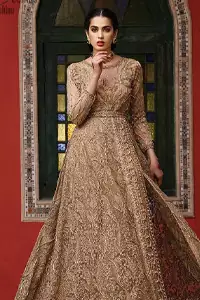
Golden Sides Open Long Maxi for Nikah Reception
Sale! Original price was: $ 3,764.$ 2,258Current price is: $ 2,258. -
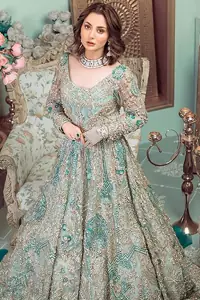
Best Nikah Dress – Turquoise Back Train Maxi
Sale! Original price was: $ 4,343.$ 2,606Current price is: $ 2,606. -
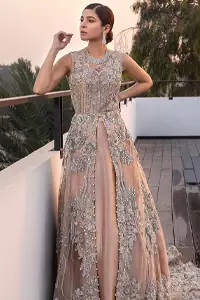
Tea Rose Front Open Back Train Nikah Maxi
Sale! Original price was: $ 3,667.$ 2,200Current price is: $ 2,200. -
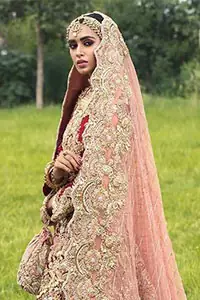
Best Nikah Dress – Red Front Open Gown Inner Ivory Lehenga Maxi
Sale! Original price was: $ 4,343.$ 2,606Current price is: $ 2,606. -
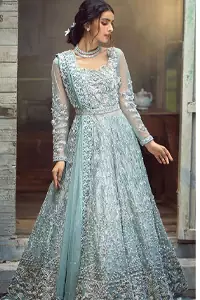
Powder Blue Maxi – Banarsi Jamawar Lehenga – Engagement Wear
Sale! Original price was: $ 4,343.$ 2,606Current price is: $ 2,606. -
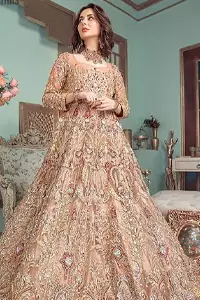
Bridal Wear – Peach Ruffled Maxi – Back Train Style Dupatta
Sale! Original price was: $ 4,729.$ 2,837Current price is: $ 2,837. -
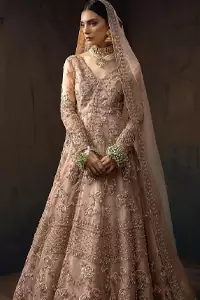
Best Nikah Dress Tea Rose Front Open Maxi – Lehenga Dupatta
Sale! Original price was: $ 3,957.$ 2,374Current price is: $ 2,374. -
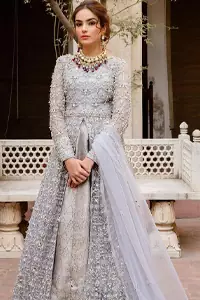
Light Gray Front Open Nikah Maxi – Banarsi Lehenga
Sale! Original price was: $ 2,606.$ 1,563Current price is: $ 1,563. -
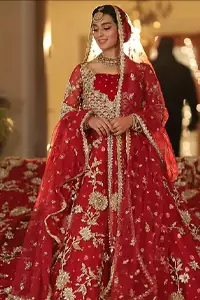
Red Front Open Back Train Maxi – Bridal Wear
Sale! Original price was: $ 4,343.$ 2,606Current price is: $ 2,606. -
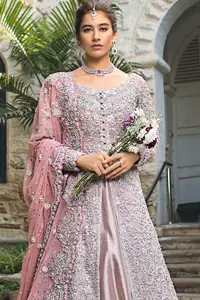
Pink Front Open Gown – Ruffled Sharara
Sale! Original price was: $ 3,957.$ 2,374Current price is: $ 2,374. -
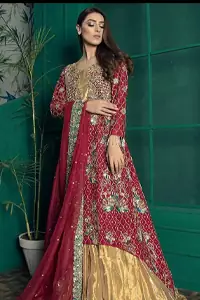
Red Back Train Maxi Dupatta – Golden Sharara
Sale! Original price was: $ 3,628.$ 2,177Current price is: $ 2,177. -
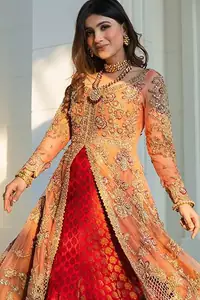
Red Orange Front Open Maxi – Churidar Pajama
Sale! Original price was: $ 3,957.$ 2,374Current price is: $ 2,374. -
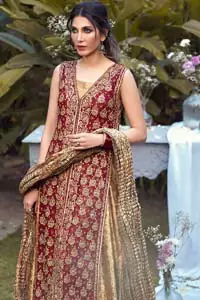
Maroon Front Open Shirt with Inner Maxi
Sale! Original price was: $ 1,448.$ 869Current price is: $ 869. -
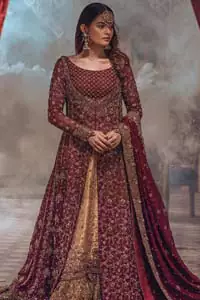
Maroon Front Open Maxi – Golden Back Train Lehenga
Sale! Original price was: $ 4,536.$ 2,721Current price is: $ 2,721. -
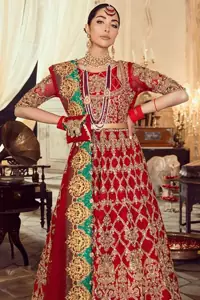
Red Floor Length Maxi – Sharara
Sale! Original price was: $ 4,343.$ 2,606Current price is: $ 2,606. -
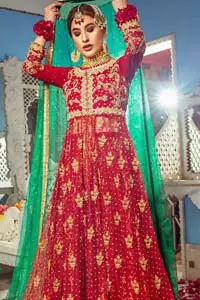
Red Front Open Maxi – Sharara
Sale! Original price was: $ 1,390.$ 834Current price is: $ 834. -
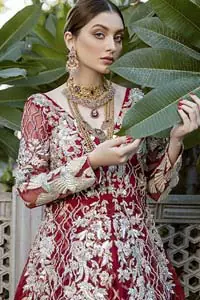
Maroon Wedding Wear Floor Length Front Open Maxi
Sale! Original price was: $ 3,185.$ 1,911Current price is: $ 1,911. -
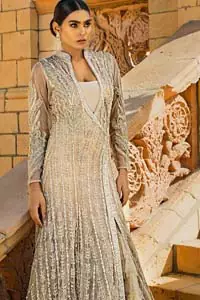
Latest Nikah Wear – Fawn Angrakha Style Maxi Frilled Lehenga
Sale! Original price was: $ 2,316.$ 1,390Current price is: $ 1,390. -
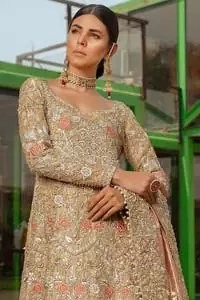
Fawn Nikah Maxi – Frilled Lehenga for Wedding
Sale! Original price was: $ 3,957.$ 2,374Current price is: $ 2,374. -
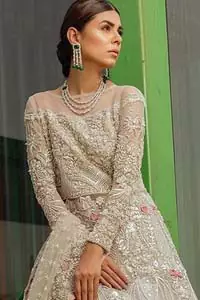
Light Gray Floor Length Maxi – Back Train Lehenga
Sale! Original price was: $ 3,957.$ 2,374Current price is: $ 2,374. -
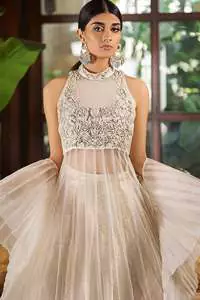
Nikah Dress Tea Rose Long Frock Lehenga Melbourne
Sale! Original price was: $ 938.$ 563Current price is: $ 563. -
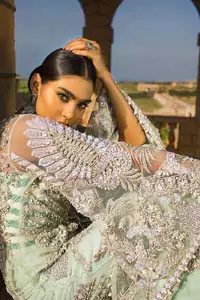
Nikah Wear Aqua Front Open Gown Maxi Palazzo Pants Brisbane
Sale! Original price was: $ 2,871.$ 1,723Current price is: $ 1,723. -
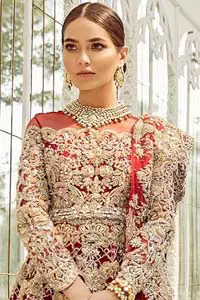
Latest Pakistani Wedding Wear – Red Floor Length Maxi – Lehenga
Sale! Original price was: $ 4,343.$ 2,606Current price is: $ 2,606. -
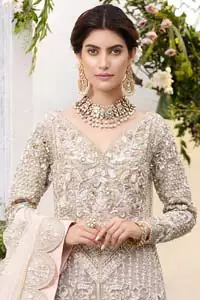
Latest Bridal Wear Tea Pink Front Open Maxi Lehenga
Sale! Original price was: $ 4,053.$ 2,432Current price is: $ 2,432. -

Nikah n Engagement Pastel Blue Front Open Maxi n Sharara
Sale! Original price was: $ 2,663.$ 1,598Current price is: $ 1,598. -
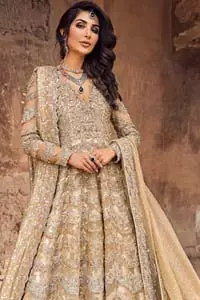
Pakistani Wedding Dress Pale Gold Floor Length Maxi Lehenga
Sale! Original price was: $ 4,343.$ 2,606Current price is: $ 2,606. -
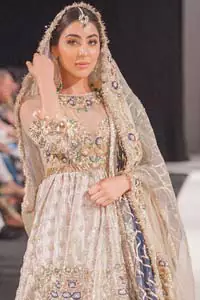
Buy Bridal Wear Off White Back Train Maxi
Sale! Original price was: $ 4,343.$ 2,606Current price is: $ 2,606. -
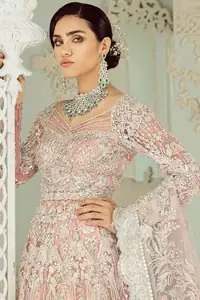
Light Pink Floor Length Maxi – Scalloped Dupatta
Sale! Original price was: $ 4,343.$ 2,606Current price is: $ 2,606. -
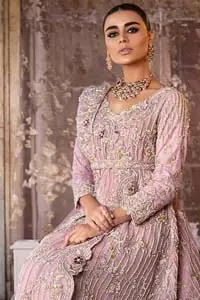
Light Pink Back Train Maxi
Sale! Original price was: $ 3,571.$ 2,142Current price is: $ 2,142. -
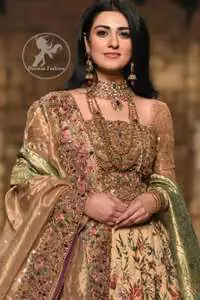
Wedding Wear Muddy Waters Can-Can Maxi Lehenga
Sale! Original price was: $ 3,764.$ 2,258Current price is: $ 2,258. -
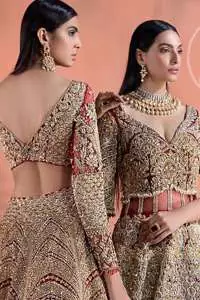
Maroon Flush Pakistani Wedding Maxi for Reception
Sale! Original price was: $ 4,439.$ 2,663Current price is: $ 2,663. -
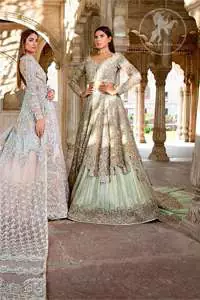
Light Pink Bridal Maxi Pajama Net Dupatta
Sale! Original price was: $ 4,629.$ 2,777Current price is: $ 2,777. -
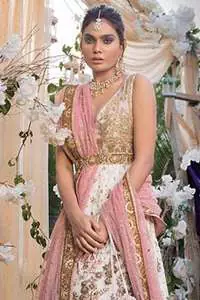
Ivory Floor Length Maxi – Light Pink Dupatta
Sale! Original price was: $ 2,871.$ 1,723Current price is: $ 1,723. -
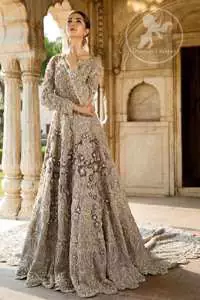
Mauve Back Train Maxi Congo Brown Applique
Sale! Original price was: $ 4,536.$ 2,721Current price is: $ 2,721. -
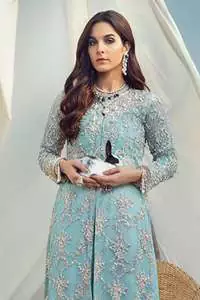
Ferozi Front Open Long Shirt n Inner Maxi Dupatta for Nikah
Sale! Original price was: $ 1,611.$ 967Current price is: $ 967. -
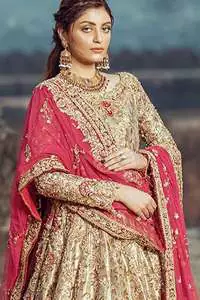
Pakistani Wedding Wear – Dull Golden Maxi Pajama Crimson Dupatta
Sale! Original price was: $ 3,764.$ 2,258Current price is: $ 2,258. -
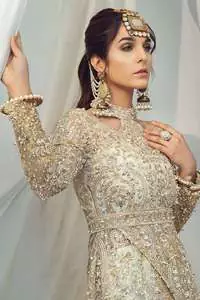
Dull Golden Floor Length Maxi Ivory Trousers
Sale! Original price was: $ 1,846.$ 1,107Current price is: $ 1,107. -
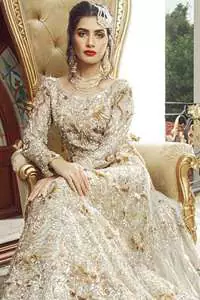
Ivory Back Train Maxi – Dupatta
Sale! Original price was: $ 3,088.$ 1,853Current price is: $ 1,853. -
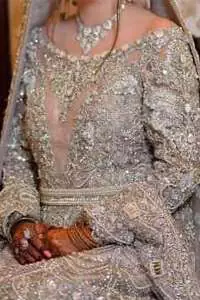
Dusty Gold Embellished Maxi Dupatta
Sale! Original price was: $ 3,957.$ 2,374Current price is: $ 2,374. -
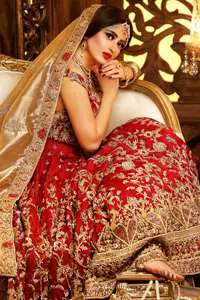
Red Heavy Maxi Golden Dupatta
Sale! Original price was: $ 3,193.$ 1,916Current price is: $ 1,916.
- Will the fabric photograph flat under indoor lighting?
- Does the embroidery placement interfere with sitting posture?
- Can the sleeves accommodate jewelry without snagging?
- Will the skirt flare catch on flooring during movement?
These are not aesthetic questions. They are construction questions. A bridal maxi either resolves them at pattern stage or exposes them during wear.
Fabric behavior under ceremony conditions can be summarized clearly:
| Fabric Base | Weight Response | Heat Retention | Best Use Duration |
|---|---|---|---|
| Raw Silk | Stable, structured fall | Moderate | 3–4 hours seated |
| Organza | Light with volume | Low | 4–5 hours mixed movement |
| Net Layered Silk | Soft surface tension | Moderate to high | 2–3 hours formal wear |
| Grip Silk | Fluid, low drag | Low | 5+ hours extended wear |
Color philosophy also shifts at this stage. Deep reds and maroons are often reserved for later ceremonies. Nikah maxis benefit from controlled palettes: ivory with muted gold, dusty rose with antique silver, or soft sage with tonal threadwork. These tones hold detail under varied lighting and reduce visual fatigue. Brides exploring our collection of Bridal Nikah Dresses often notice how restraint reads as confidence rather than absence.
Embellishment density should be concentrated, not scattered. Necklines, cuffs, and hem borders carry authority. Full saturation weakens structure and increases garment weight without improving formality. Negative space allows the eye to rest. It also allows the bride to move without constant adjustment.
Many ask whether an existing bridal outfit can be restyled into a maxi. This works only when the original piece was drafted with modularity. Dupatta swaps and sleeve changes alter perception but cannot correct imbalance in skirt circumference or bodice length. When repetition becomes visible, a fresh garment is the more disciplined choice. Fit engineering is where online couture decisions stall. A maxi exposes errors immediately. Shoulder slope, bust apex placement, and waist anchoring must be precise. Unlike lehengas, there is little forgiveness. Alterations after embellishment risk distortion. This is why consultation-led ordering matters for brides who plan to explore Nikah wear for Plus Size Bride considerations. Scale changes the physics of the garment.
Within diaspora contexts, comfort and adaptability carry weight. Seating arrangements, extended greetings, and layered jewelry all place demands on the dress. A bridal maxi that respects these realities becomes an ally rather than an obstacle. Fusion elements are acceptable when construction cues remain culturally legible. Capes, gowns, and hybrids fail when they prioritize novelty over function. This category rewards deliberate selection. Not volume of choice. Not impulse. Production timelines, embroidery pacing, and fitting windows determine success. Securing the right workshop capacity ensures the garment is built, not assembled. For a bride, that distinction is felt long before it is seen.
Showing 121–160 of 192 resultsSorted by latest