
Pakistani Bridal Dresses Australia
Late morning light in Sydney, catching gold thread as the skirt settles.
A Pakistani bridal dress is not worn. It is carried, controlled, and remembered.
At Deemas Fashion, bridal wear is built from the inside outward. Structure first. Fabric behaviour second. Embellishment last. This order matters, especially for Australia-based brides balancing tradition with climate, venue scale, and long ceremony hours.
For Melbourne weddings, where guest numbers rise and halls demand presence, heavier silhouettes command the room. For Sydney Nikah ceremonies held in gardens or intimate venues, restraint reads stronger than excess.
2026 bridal direction confirms this shift. Basque waistlines are rising. Sheer sleeves remain, but only when internally supported. Silks dominate. Velvet retreats to trims only.
Each bridal piece is cut after consultation, not selected from a rack. Measurements are taken to prevent bodice pull, sleeve drag, and skirt fatigue. When brides require event-specific clarity, they naturally move toward choosing your ceremony-ready Nikah ensemble rather than guessing.
-

Oyster Pink Blouse Back Train Lehenga Veil
Sale! Original price was: $ 2,702.$ 1,621Current price is: $ 1,621. -
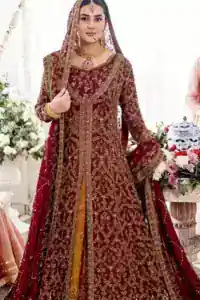
Maroon Front Open Pishwas Mustard Farshi Lehenga
Sale! Original price was: $ 4,343.$ 2,606Current price is: $ 2,606. -

Midnight Blue Long Shirt n Culottes – Fawn Dupatta
Sale! Original price was: $ 1,718.$ 1,031Current price is: $ 1,031. -
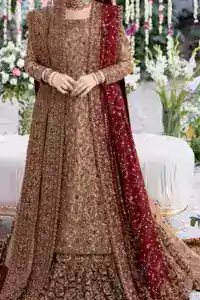
Copper Long Shirt Farshi Lehenga Maroon Dupatta
Sale! Original price was: $ 4,439.$ 2,663Current price is: $ 2,663. -
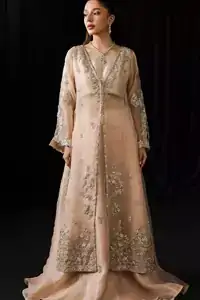
Pale Pink Front Open Jacket Lehenga
Sale! Original price was: $ 1,583.$ 950Current price is: $ 950. -
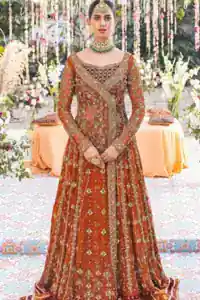
Rust Angrakha Farshi Lehenga Red Dupatta
Sale! Original price was: $ 4,053.$ 2,432Current price is: $ 2,432. -
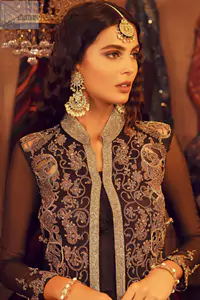
Black Front Open Long Jacket Inner Shirt Trousers
Sale! Original price was: $ 1,255.$ 753Current price is: $ 753. -
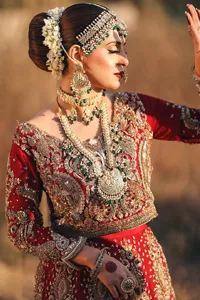
Red Blouse Flared Lehenga Scalloped Dupatta
Sale! Original price was: $ 4,536.$ 2,721Current price is: $ 2,721. -
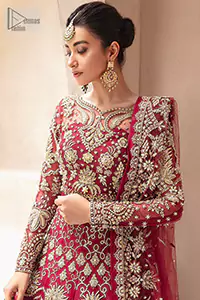
Red Blouse Wide Flare Lehenga Dupatta
Sale! Original price was: $ 4,536.$ 2,721Current price is: $ 2,721. -
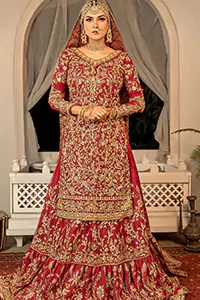
Red Long Shirt Back Train Farshi Lehenga
Sale! Original price was: $ 4,536.$ 2,721Current price is: $ 2,721. -
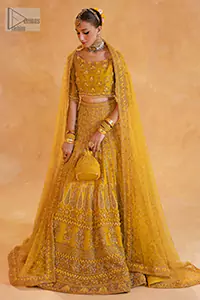
Mustard Lehenga Blouse Dupatta for Mehndi Bride
Sale! Original price was: $ 4,343.$ 2,606Current price is: $ 2,606. -
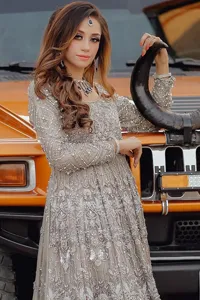
Fawn Back Train Maxi Dupatta for Nikah
Sale! Original price was: $ 3,957.$ 2,374Current price is: $ 2,374. -

Beige Scalloped Shirt Can Can Lehenga
Sale! Original price was: $ 3,571.$ 2,142Current price is: $ 2,142. -
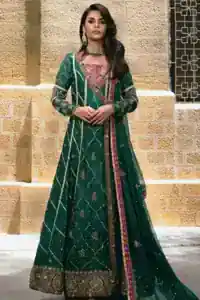
Bottle Green Angrakha Palazzo Pants Dupatta
Sale! Original price was: $ 3,088.$ 1,853Current price is: $ 1,853. -
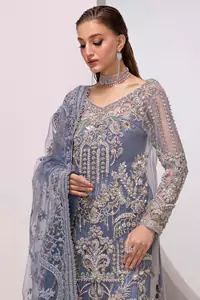
Blue Shirt Dupatta Sharara for Nikah
Sale! Original price was: $ 2,470.$ 1,482Current price is: $ 1,482. -
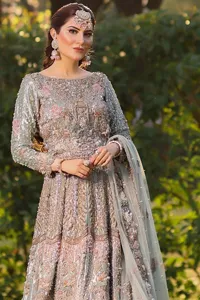
Mint Green Lehenga Blouse Dupatta
Sale! Original price was: $ 3,185.$ 1,911Current price is: $ 1,911. -
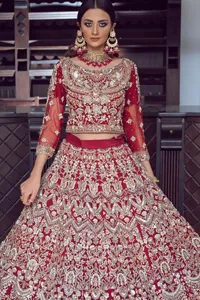
Maroon Wide Flared Lehenga Blouse
Sale! Original price was: $ 3,571.$ 2,142Current price is: $ 2,142. -
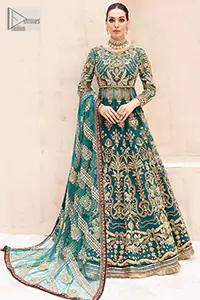
Teal Maxi Inner Lehenga Dupatta
Sale! Original price was: $ 3,860.$ 2,316Current price is: $ 2,316. -
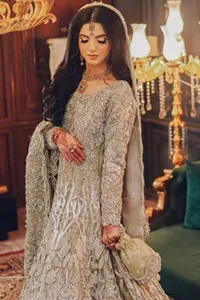
Fawn Back Train Scalloped Maxi Dupatta
Sale! Original price was: $ 4,729.$ 2,837Current price is: $ 2,837. -
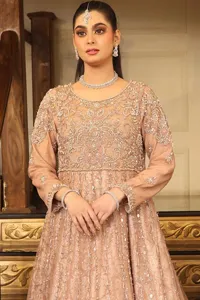
Fawn Flared Scalloped Maxi Can Can Lehenga
Sale! Original price was: $ 3,513.$ 2,108Current price is: $ 2,108. -
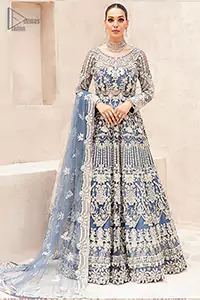
Slate Gray Full Length Maxi Dupatta for Nikah
Sale! Original price was: $ 4,343.$ 2,606Current price is: $ 2,606. -
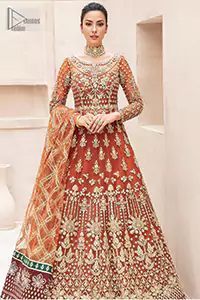
Rust Full Length Pishwas Lehenga Mehndi Bride
Sale! Original price was: $ 3,667.$ 2,200Current price is: $ 2,200. -
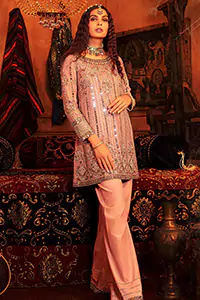
Salmon Pink Short Shirt Palazzo Pants
Sale! Original price was: $ 3,474.$ 2,084Current price is: $ 2,084. -
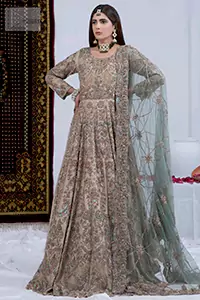
Beige Maxi Mint Green Dupatta
Sale! Original price was: $ 3,957.$ 2,374Current price is: $ 2,374. -
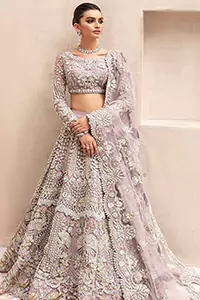
Pastel Pink Lehenga Short Blouse Dupatta for Nikah Bride
Sale! Original price was: $ 4,343.$ 2,606Current price is: $ 2,606. -
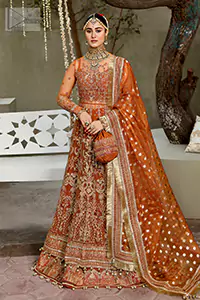
Rust Wide Flare Maxi – Lehenga for Mehndi Bride
Sale! Original price was: $ 3,667.$ 2,200Current price is: $ 2,200. -
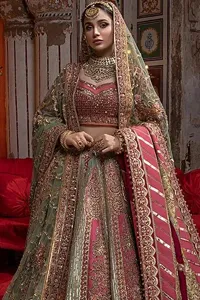
Pink Blouse Pistachio Green Lehenga Dupatta
Sale! Original price was: $ 4,729.$ 2,837Current price is: $ 2,837. -
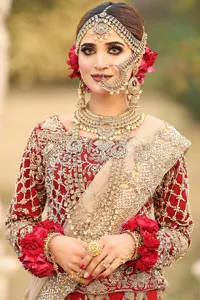
Red Can Can Lehenga Blouse Fawn Dupatta
Sale! Original price was: $ 4,343.$ 2,606Current price is: $ 2,606. -
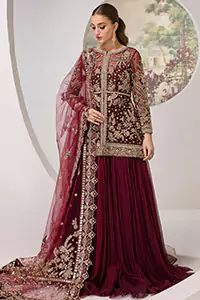
Maroon Front Open Peplum Flared Inner Maxi
Sale! Original price was: $ 1,834.$ 1,100Current price is: $ 1,100. -
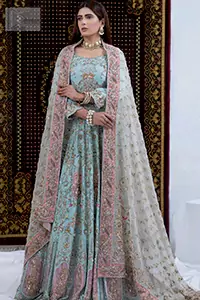
Aqua Full Length Maxi Ivory Dupatta for Nikah Bride
Sale! Original price was: $ 3,571.$ 2,142Current price is: $ 2,142. -
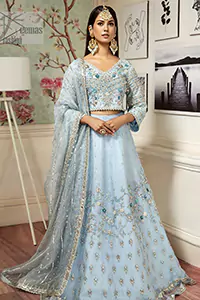
Sky Blue Blouse Lehenga Dupatta for Nikah Bride
Sale! Original price was: $ 2,702.$ 1,621Current price is: $ 1,621. -
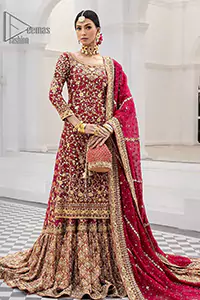
Deep Red Long Shirt Farshi Lehenga for Reception
Sale! Original price was: $ 4,536.$ 2,721Current price is: $ 2,721. -
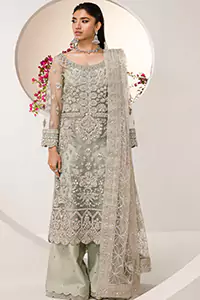
Mint Long Shirt Scalloped Palazzo Pants for Nikah
Sale! Original price was: $ 3,474.$ 2,084Current price is: $ 2,084. -
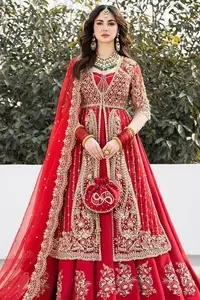
Red Front Open Shirt Inner Blouse Back Trail Lehenga
Sale! Original price was: $ 4,343.$ 2,606Current price is: $ 2,606. -
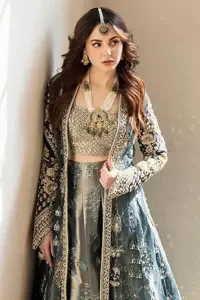
Teal Front Open Gown Blouse Lehenga
Sale! Original price was: $ 3,706.$ 2,223Current price is: $ 2,223. -
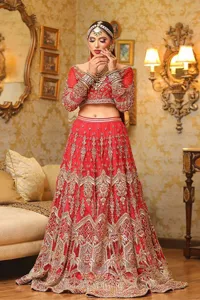
Bright Red Blouse – Flared Lehenga – Heavy Dupatta Border
Sale! Original price was: $ 4,343.$ 2,606Current price is: $ 2,606. -
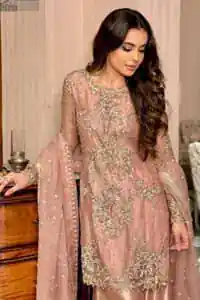
Salmon Pink Tissue Sharara Shirt Net Dupatta
Sale! Original price was: $ 3,667.$ 2,200Current price is: $ 2,200. -
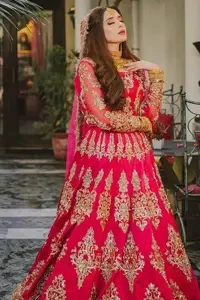
Red Golden Embroidered Lehenga Blouse
Sale! Original price was: $ 4,439.$ 2,663Current price is: $ 2,663. -
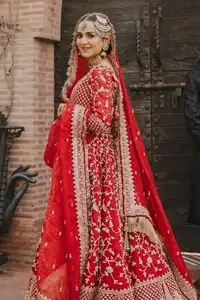
Red Traditional Lehenga Blouse Dupatta
Sale! Original price was: $ 4,632.$ 2,779Current price is: $ 2,779. -
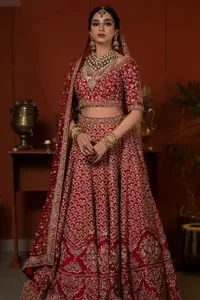
Maroon Traditional South Asian Lehenga Blouse
Sale! Original price was: $ 4,246.$ 2,548Current price is: $ 2,548.
How are Pakistani bridal dresses different from formal wear?
Because they carry weight in every sense.
A bridal dress must manage three forces at once: fabric load, body movement, and cultural expectation. At Deemas Fashion, we build bridal lehengas, ghararas, maxis, and pishwas with reinforced bodices, calibrated flares, and embroidery mapped by gravity, not guesswork.
A 10 to 12 meter flare should not rebound when you turn. It should follow, then settle. That hushed rustle you hear as silk moves is intentional. Summary: controlled motion.
What fabrics actually work for Australia bridal events?
This depends on season, venue, and event length.
For Sydney Nikahs, where ceremonies are shorter and spaces tighter, silk organza and soft raw silk dominate 2026 trends. They hold structure without overheating. Velvet is reserved for panels or borders only. Full velvet skirts trap heat and restrict movement. We do not recommend them indoors.
For Melbourne Baraats, heavier silk bases with jamawar and Tissue Silk overlays still hold authority, but only when balanced with lighter dupattas. Weight should sit low, not at the shoulders.
Are basque waists and sheer sleeves practical for bridal wear?
Yes. When engineered properly.
Basque waists are trending in 2026 because they anchor the bodice and lengthen the torso visually. But if placed too low, they pull. Too high, they bunch. We cut them precisely to the wearer’s posture.
Sheer sleeves return this year, but without reinforcement they stretch. Ours are internally lined at stress points. The sleeve sways. It does not sag.
How do you handle fit anxiety for online bridal orders?
By removing assumptions.
Our multi point measurement system accounts for shoulder slope, rib placement, and sitting posture. This eliminates the fear of a loose neckline or tight armhole. Fabric samples are tested before final cutting so stretch and fall are predictable.
This is why our artisans spend over 40 hours on bodice alignment alone.
Which Pakistani bridal styles suit Nikah ceremonies best?
Nikah demands modesty, balance, and clarity.
High necklines, controlled embroidery, and dupattas that stay in place without constant adjustment work best. Loud colours photograph harshly in daylight. Ivory, champagne, soft gold, and muted blush dominate 2026 Nikah palettes.
For brides needing event specific guidance, we often recommend reviewing our collection of Bridal Nikah Dresses to understand proportion and coverage before finalising a bridal look.
How heavy should a Pakistani bridal dress be?
Heavier is not always better.
- Nikah dresses: 6 to 8 kg
- Baraat lehengas: 8 to 10 kg
- Walima outfits: 7 to 9 kg
Anything heavier compromises posture and stamina during long events. Weight should be distributed across the skirt, not concentrated at the neckline.
Are these dresses travel friendly for Australia and international brides?
Yes. Because they are built for movement.
Embroidery density is spread evenly. Skirts are packed in sectional folds. Dupattas are rolled, not crushed. This prevents crease memory and bead stress during travel.
Most dresses do not require emergency steaming on arrival.
Senior stylist advice before you choose
Do not chase trends blindly.
A heavily worked neckline does not need heavy jewellery. A full skirt does not need double dupattas. And a Nikah dress does not need Baraat drama.
If the ceremony is intimate, the dress should be calm. If the venue is large, the structure should lead.
Securing a bridal order with us means reserving a production slot. Fabric is sourced after confirmation. Artisans are assigned per complexity. If your date matters, timing matters more.
Showing 1–40 of 764 resultsSorted by latest